OpenAI Retiring GPT-4o and GPT-4.1 on February 13 - What Developers Need to Know
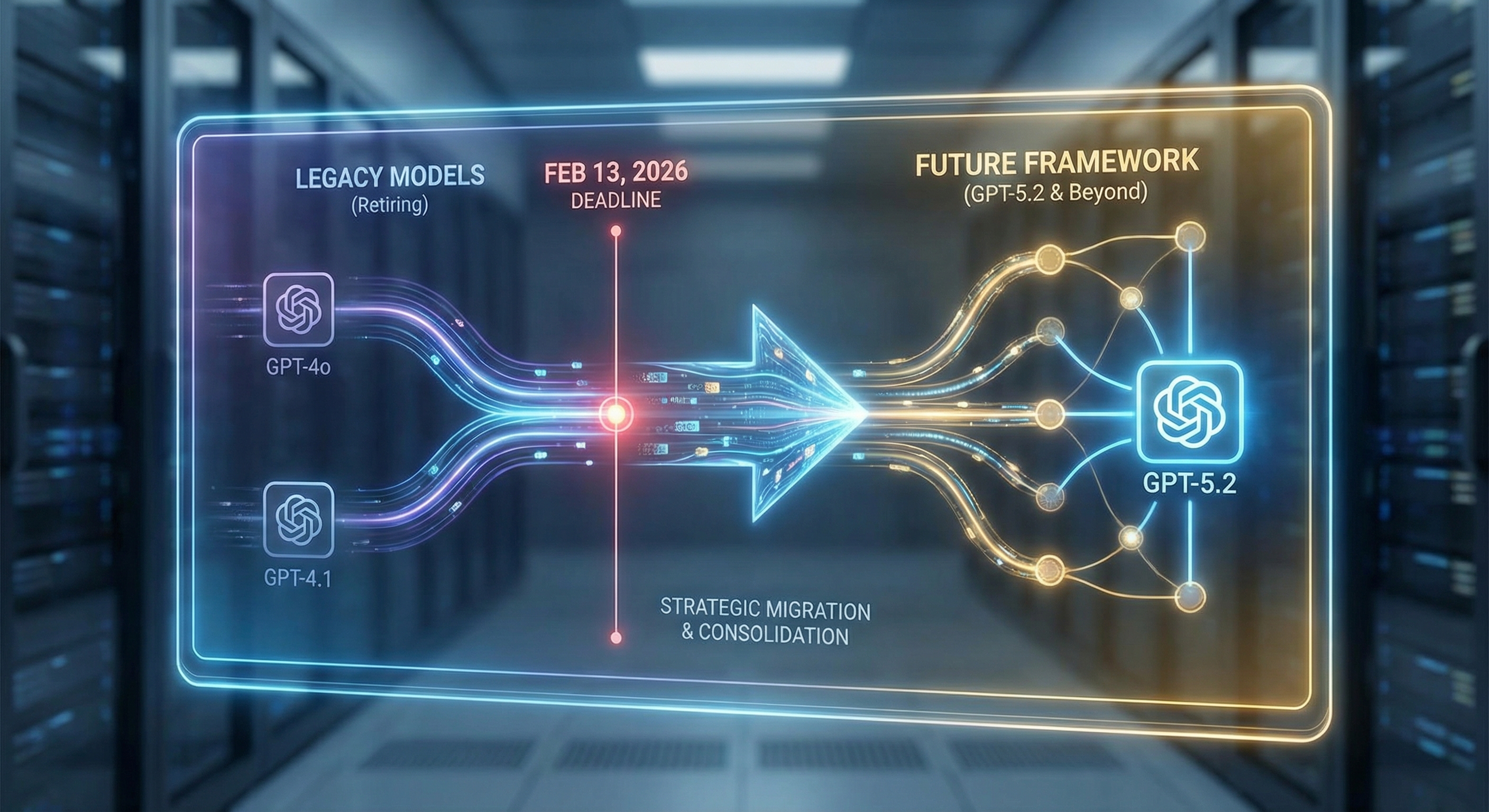
OpenAI has officially set an expiration date for the models that defined the current era of generative AI. On February 13, 2026, the company will retire several prominent models from the ChatGPT interface, including GPT-4o, GPT-4.1, GPT-4.1 mini, and OpenAI o4-mini. Even more surprising for many in the industry is the inclusion of the recently released GPT-5 (Instant and Thinking) variants in this retirement wave.
According to a recent announcement on the OpenAI blog, these changes are part of a strategic shift to consolidate the user base onto the more advanced GPT-5.2 framework. While the news specifically targets the ChatGPT interface, the implications for the broader developer ecosystem are significant.
View tweet
The Migration Timeline
The February 13 deadline serves as a hard cutoff for the ChatGPT interface. After this date, any existing conversations or projects that rely on the deprecated models will automatically default to GPT-5.2. For developers who use ChatGPT as a prototyping environment, this means prompt engineering and workflow testing should transition to the GPT-5.2 environment immediately to ensure consistency.
Crucially, OpenAI has clarified in a support article that these models will continue to be available via the OpenAI API for the time being. The company stated that there are no changes to the API at this time and promised to provide advance notice before any future API retirements. However, history suggests that interface deprecations are often the first step toward full API sunsetting, making this an ideal time for development teams to begin their internal audits.
Why GPT-4o is Taking a Bow
The retirement of GPT-4o is a particularly notable milestone. Despite being a flagship model, its usage has plummeted to just 0.1% of the daily user base as the majority of traffic has migrated to the GPT-5.2 architecture. OpenAI previously restored GPT-4o after a brief deprecation period following feedback from Plus and Pro users who preferred its specific conversational “warmth” and creative ideation capabilities.
OpenAI notes that this feedback was instrumental in developing GPT-5.1 and GPT-5.2. The newer models now include granular controls for personality, style, and tone, allowing users to select “Friendly” or “Enthusiastic” modes. By baking these subjective qualities into the newer architecture, OpenAI believes the primary reason for maintaining older models has been addressed.
Impact on Production and API Strategy
For teams with production deployments, the immediate impact is minimal due to the API’s continued support. However, developers should be aware of the performance and capability shifts inherent in the newer models. GPT-5.2 is designed to reduce “unnecessary refusals” and “preachy” responses, which have been a point of friction for developers building adult-oriented or high-autonomy applications.
When migrating from GPT-4o or GPT-4.1 to the GPT-5 series, developers should expect:
- Enhanced Personality Control: The API will likely see expanded parameters for tone and warmth, replacing the need for complex system prompts to achieve specific personas.
- Improved Reasoning: GPT-5.2 offers stronger support for complex creative tasks compared to the GPT-4.1 variants.
- Safety Adjustments: OpenAI is moving toward a version of ChatGPT designed for adults over 18, which suggests a shift in how safeguards are applied to model outputs for different user segments.
What Stays and What Goes
It is important to note that not all GPT-4o-based services are being discontinued. OpenAI confirmed that ChatGPT Voice and ChatGPT Images will remain unaffected by this update. While these features utilize base models similar to GPT-4o, they are categorized as distinct models and will continue to operate under their current configurations.
Existing GPTs (custom versions of ChatGPT) will also see their default models updated to GPT-5.2 on the February 13 deadline. Developers who have built and shared GPTs should test their instructions against the GPT-5.2 model now to ensure that the logic and output quality remain intact during the transition.
Looking Ahead
This retirement plan reflects a faster product lifecycle at OpenAI, where even “Instant” and “Thinking” versions of GPT-5 are being cycled out in favor of the more refined GPT-5.2. For the developer community, the message is clear, OpenAI is prioritizing model consolidation and customization over maintaining a long tail of legacy versions.
As February 2026 approaches, developers should monitor OpenAI’s API release notes for any pricing shifts associated with the GPT-5 series. While newer models often bring efficiency gains, the cost-per-token for high-reasoning models can fluctuate during major version transitions. For now, the focus should remain on testing prompt compatibility and taking advantage of the new “personality” controls to replicate the creative nuances that made older models like GPT-4o favorites among power users.